the environment
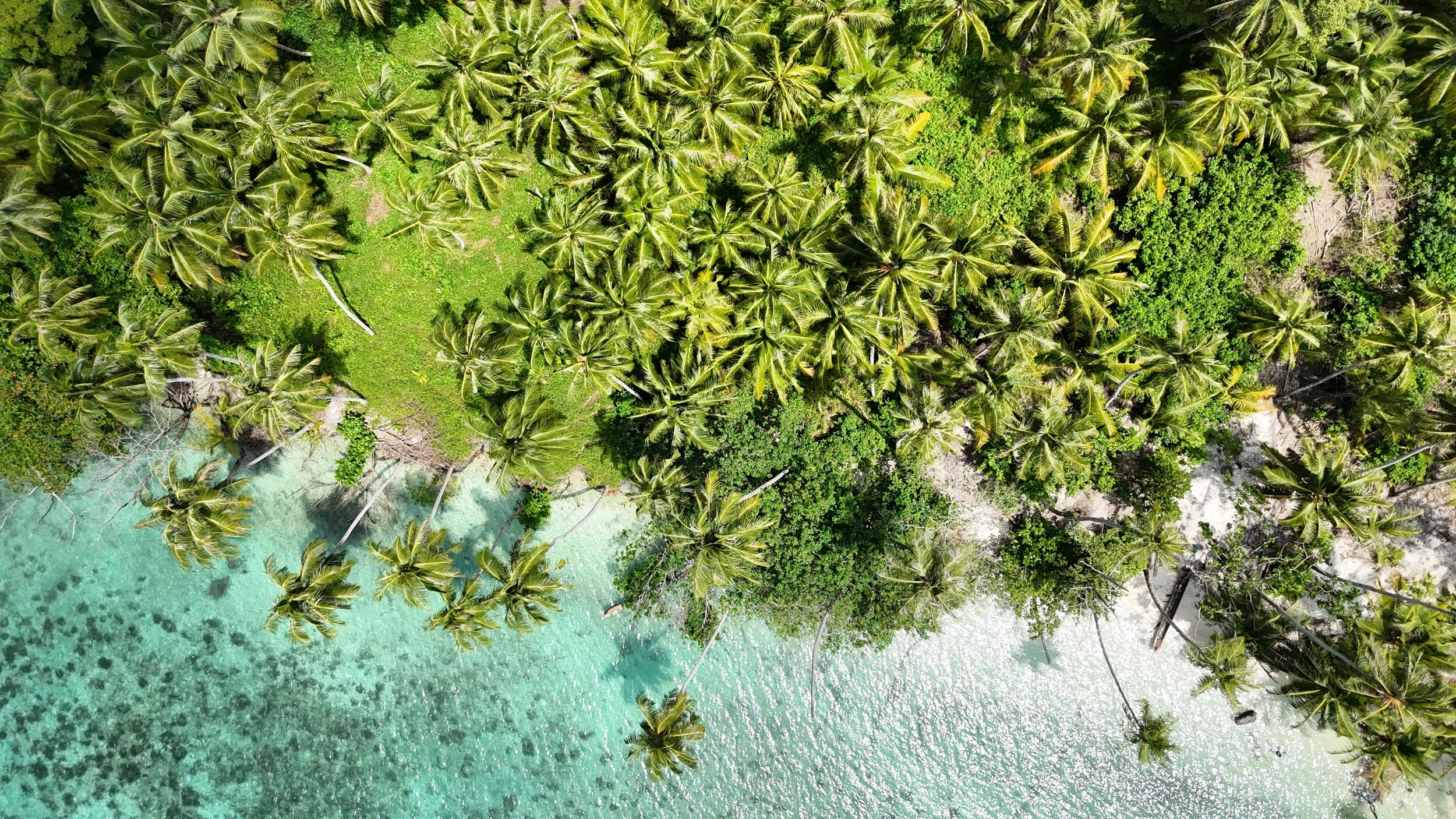
Jungles
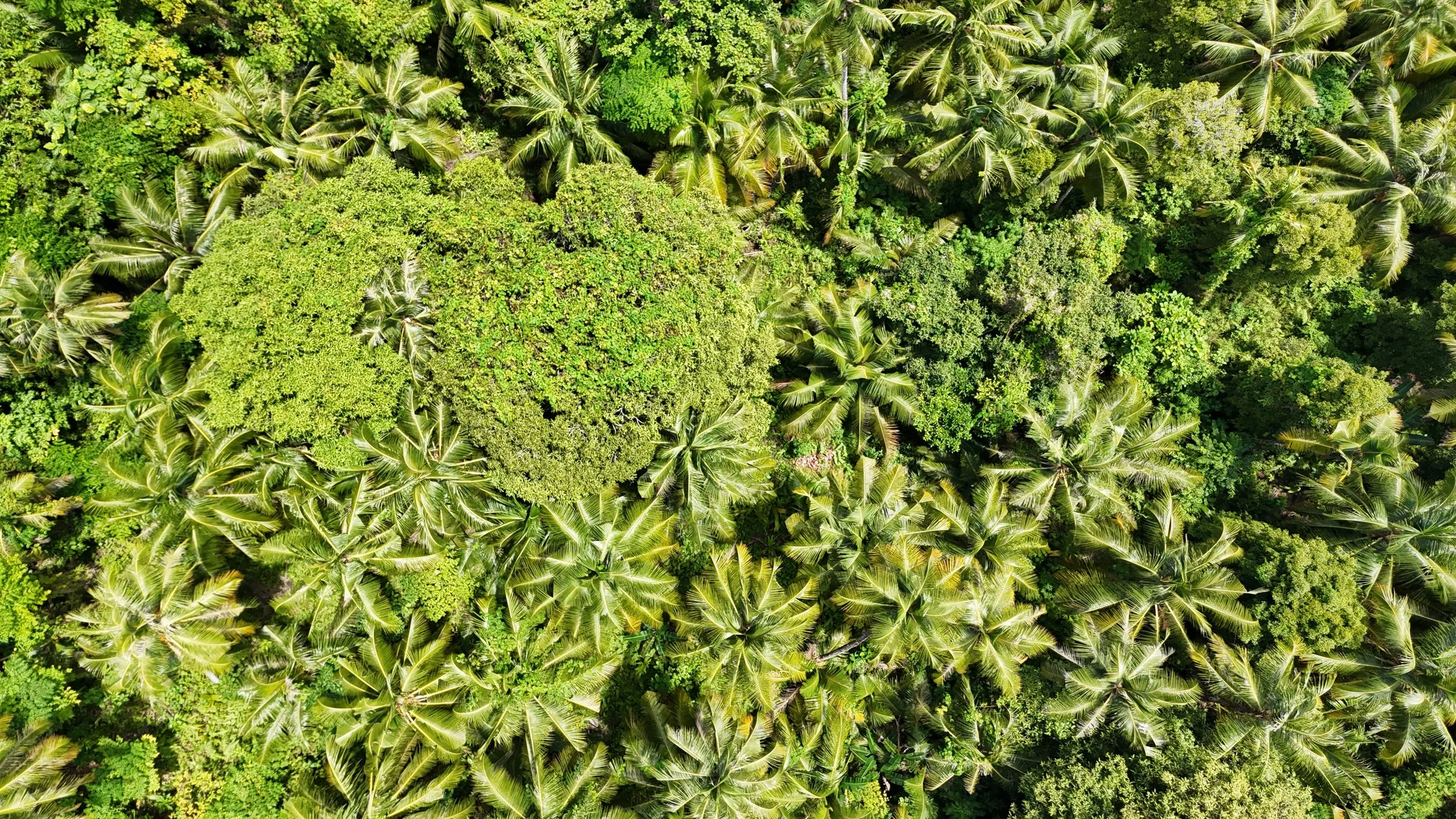
Making up the majority of the land, jungles are the main ecosystem present.
However, they have been selectively logged for timber and to clear space for coconut and clove plantations.
It is a prime site for reforestation efforts.
freshwater streams
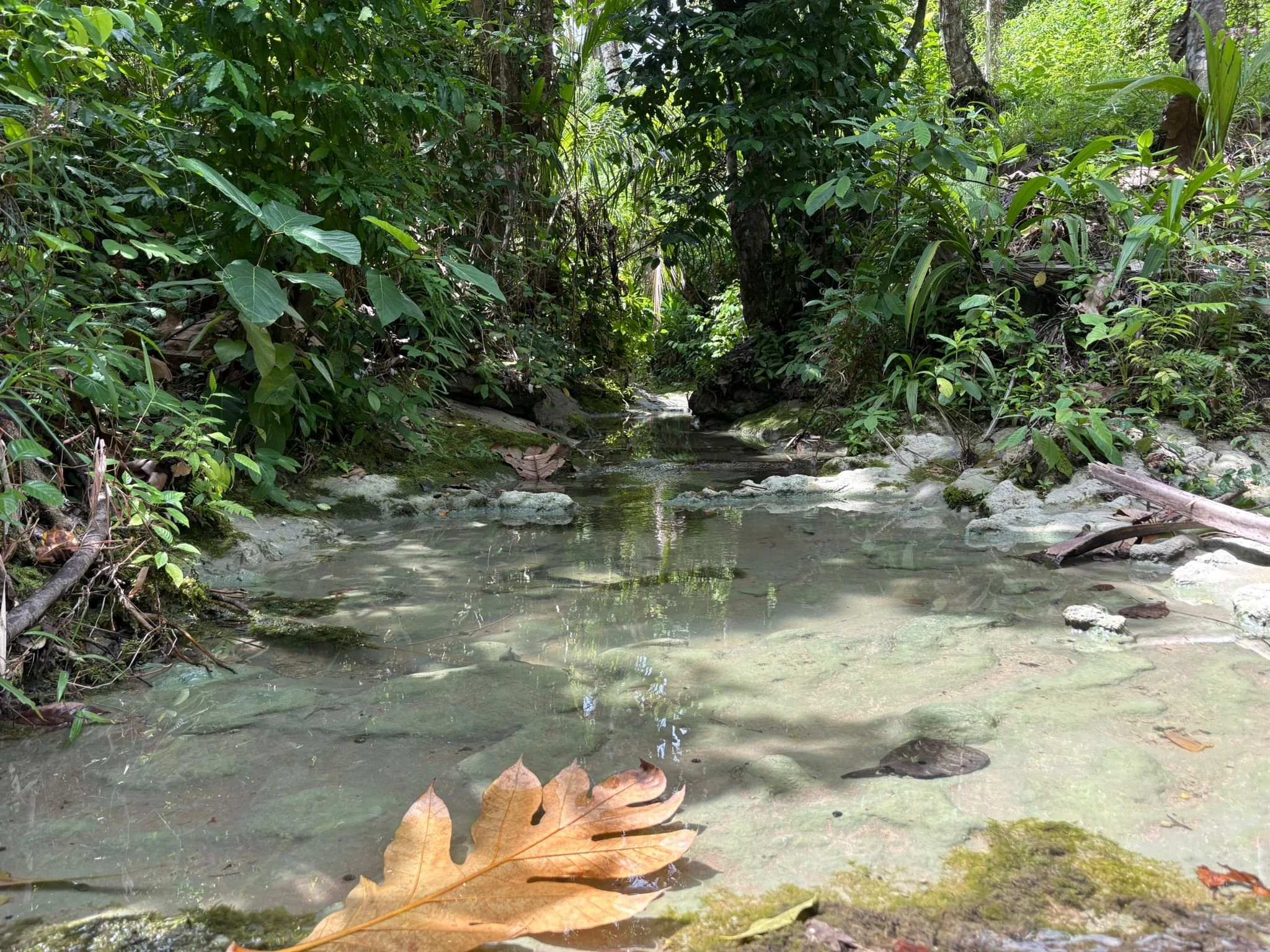
Flowing through the land there at least two separate freshwater streams, both fed by individual freshwater springs.
These not only provide a rare island ecosystem but also contribute to brackish water ecosystems when they enter the ocean.
It is crucial to protect this ecosystem, both for water resiliency but also for the irreplaceable environmental service they provide to the environment as a whole.
Beachfront
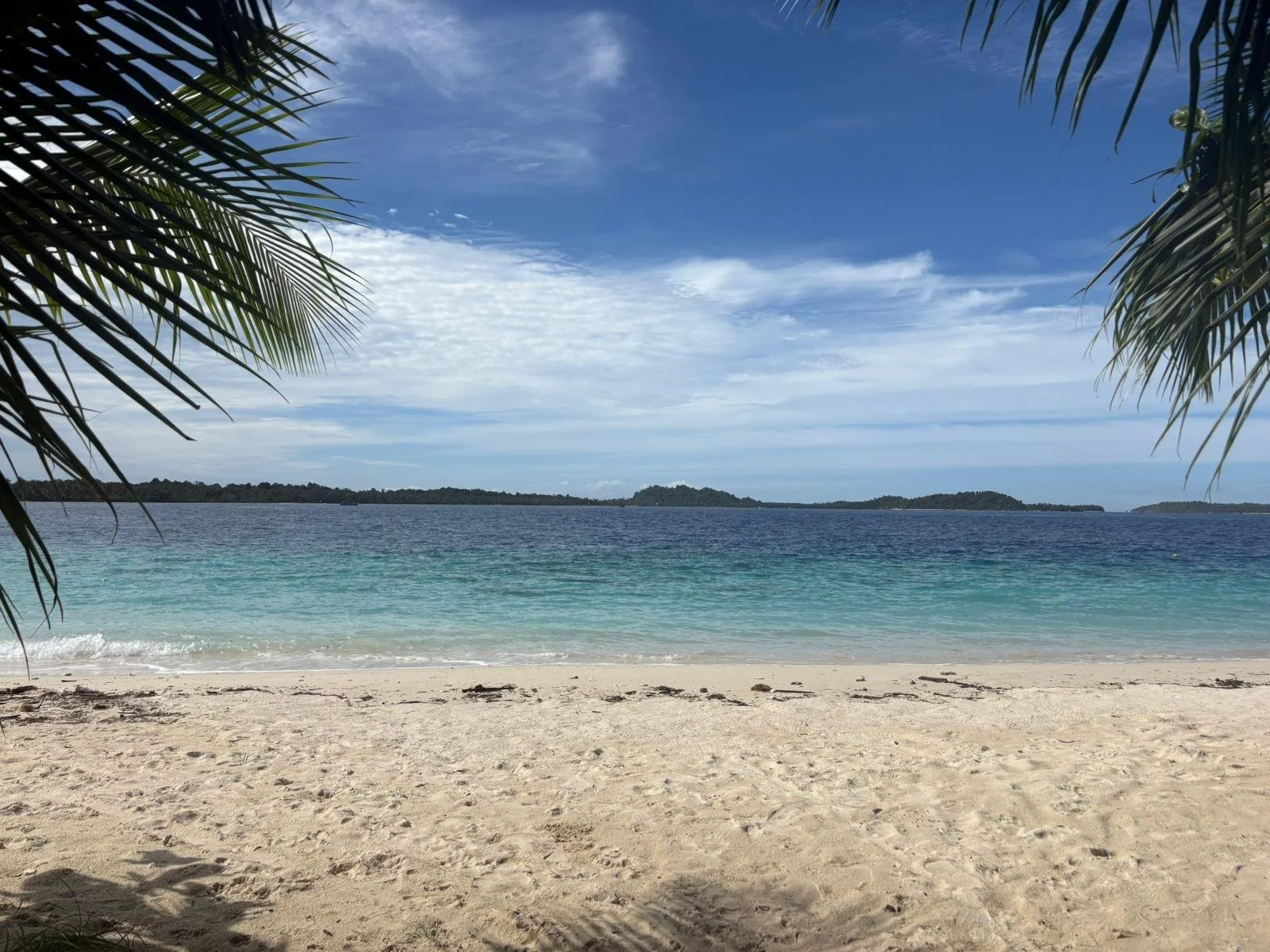
Making up the majority of the ocean front, beaches are an important breeding ground for the local turtle population.
They protect the island from storms, provide habitats for many varieties of marine fauna, but also enable the deposition of sand which is crucial for the growth of seagrass meadows.
Our beaches will be protected in the beginning via soft engineering methods, but once nature takes a stronger foothold, we will let it take its own course.
Mangroves
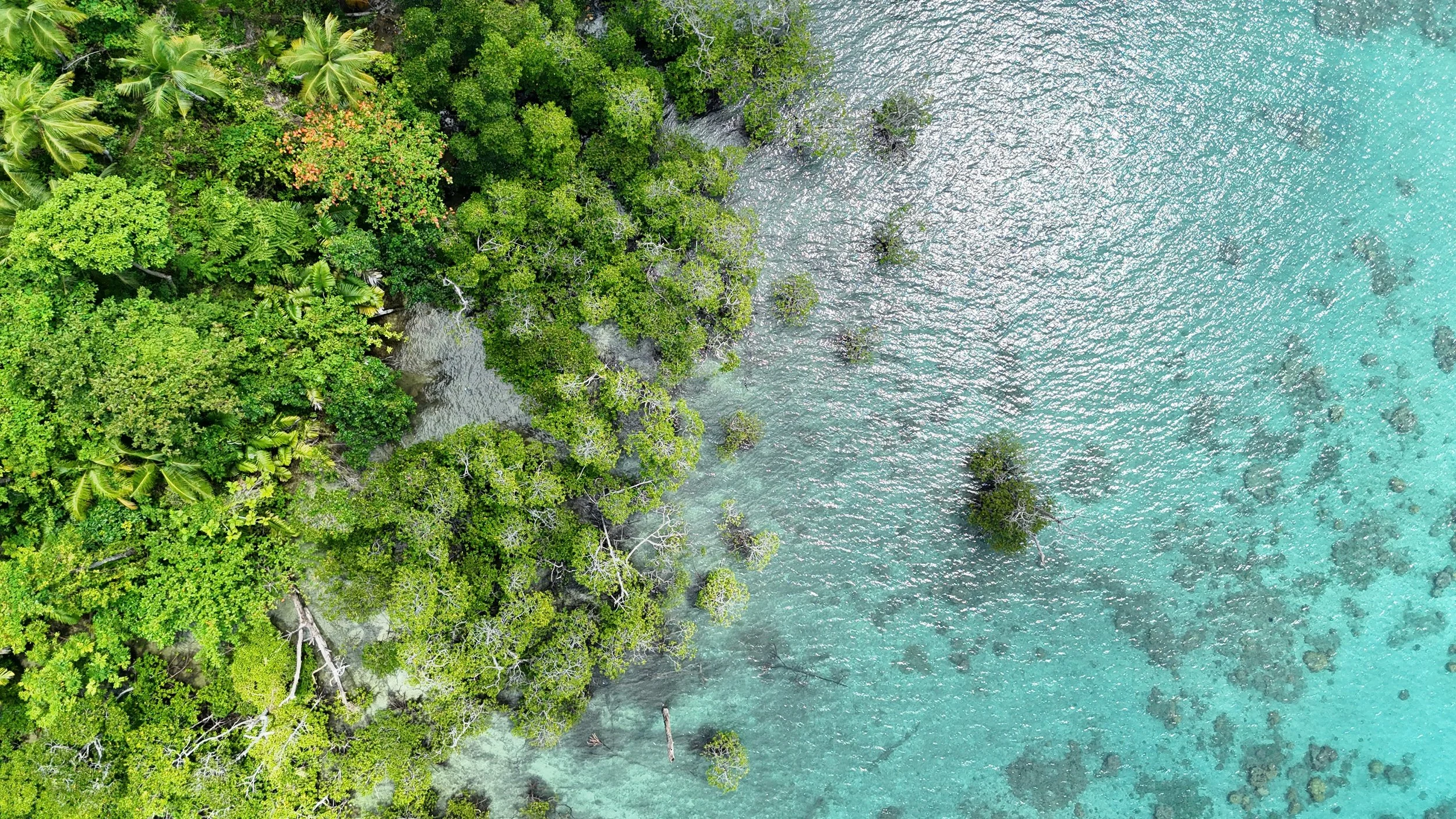
Taking up the remainder of the ocean front real estate are mangrove forests.
Mangroves provide unmatched beachfront protection from seasonal storms, as well as, creating a nursery for pelagic marine fauna.
Throughout the world mangroves are being removed to make way for ocean front developments, we will do the opposite. Plans are underway to replant lost sections are protect existing pockets.
Seagrass meadows
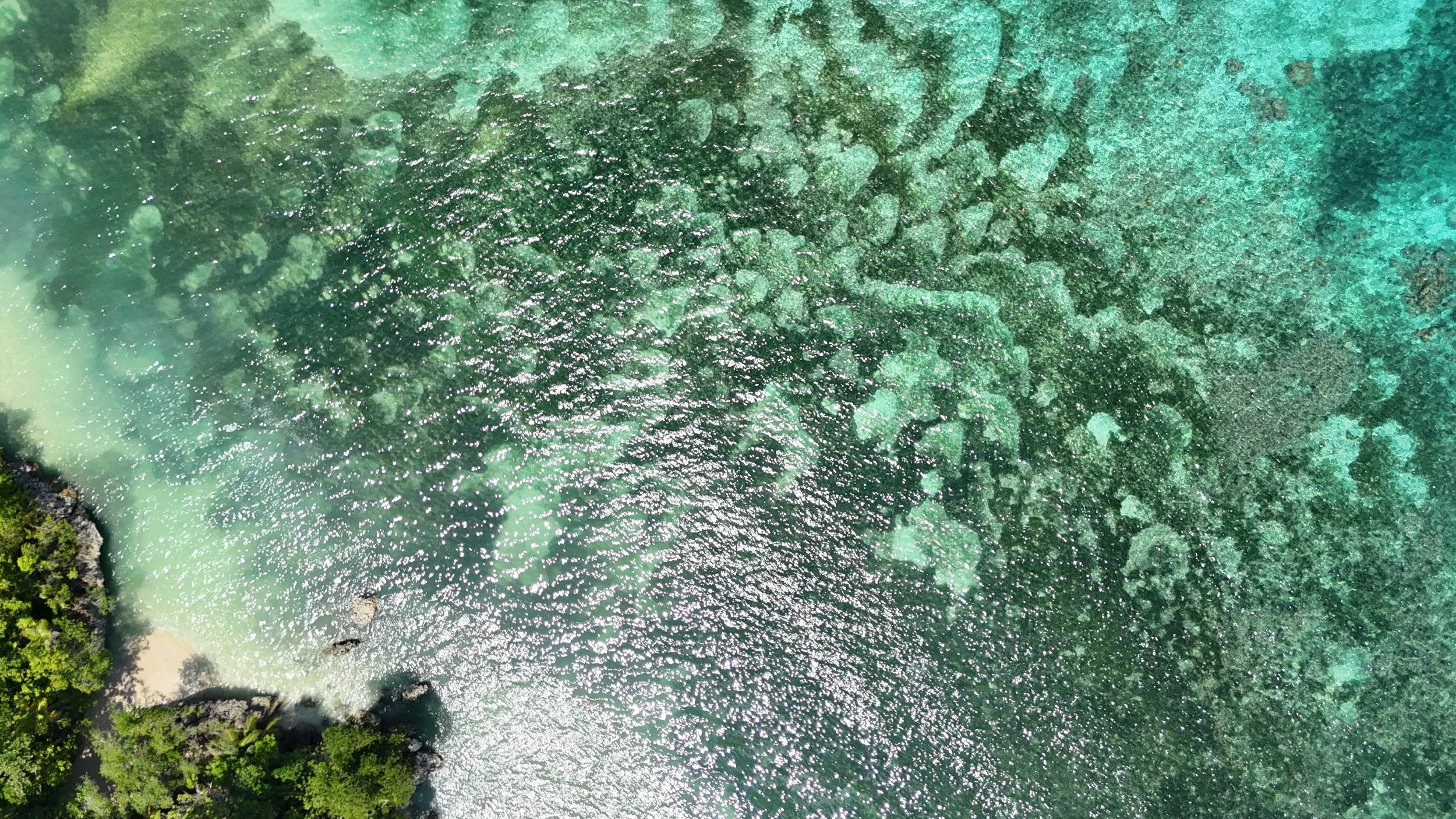
Between the beach and the coral reefs lie expansive seagrass meadows, pockets of sea grass exist around the world, but are under threat globally.
As the coral reefs grow, currents in the seagrass lagoon will reduce encouraging the deposition of sand and in turn the growth of more seagrass.
In this region seagrasses not only shelter fish and sequester carbon but are an important food source for the local dougong population. Encouraging these mammals to inhabit our waters more frequently is not only a huge win for environmental restoration, but will also boost tourist numbers and educate the population on their importance.
coral reefs
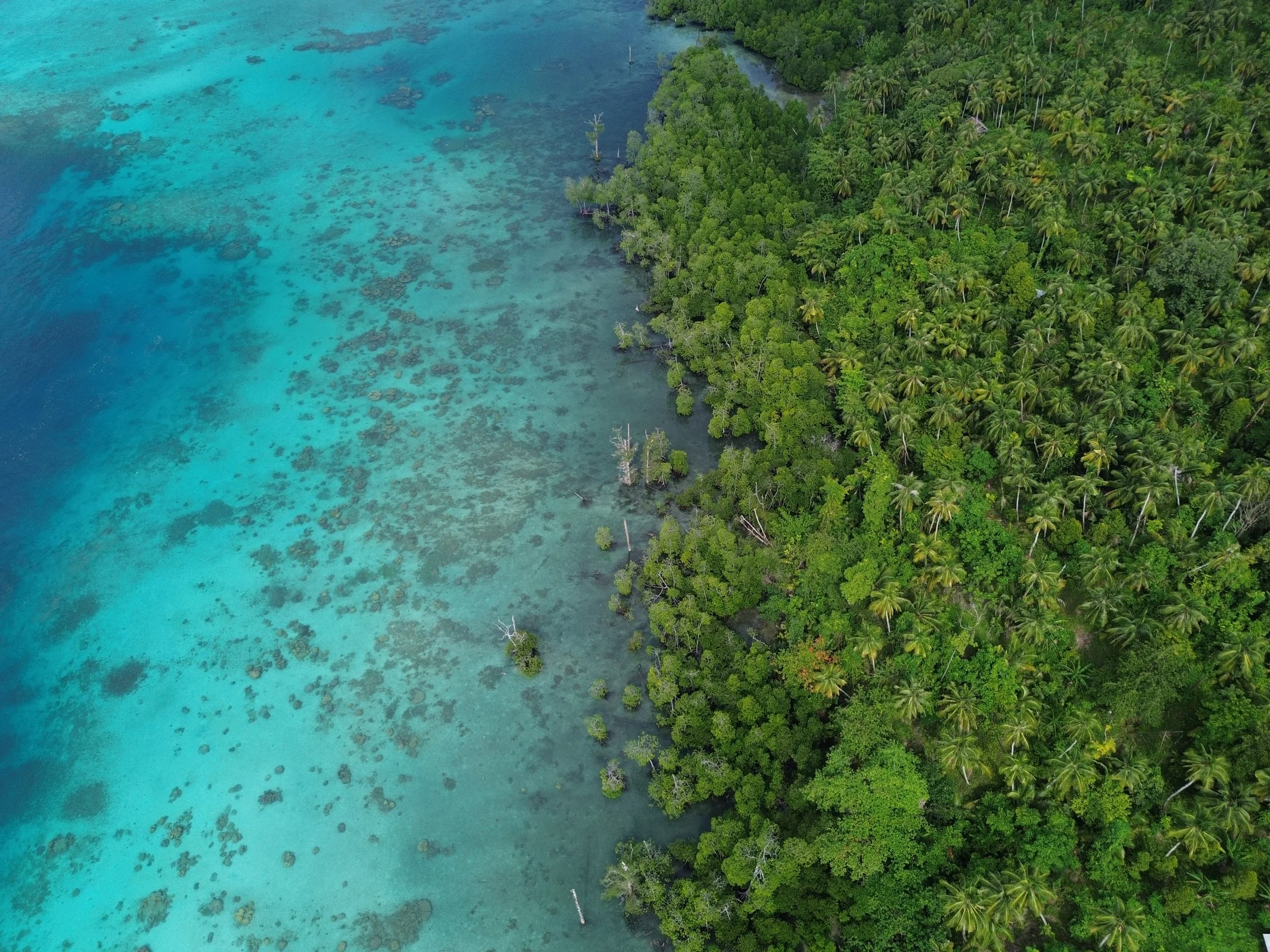
Behind the sandy lagoon and down the drop-off, coral reefs are growing. Reefs provide untold benefits not only for the atmosphere but also for the marine ecosystems they inhabit.
Diligent restoration work involving the creation of protected areas, coral nurseries and education will enable these reefs to grow once again to be the anchor of the marine ecosystem.
Shallow water pinacles
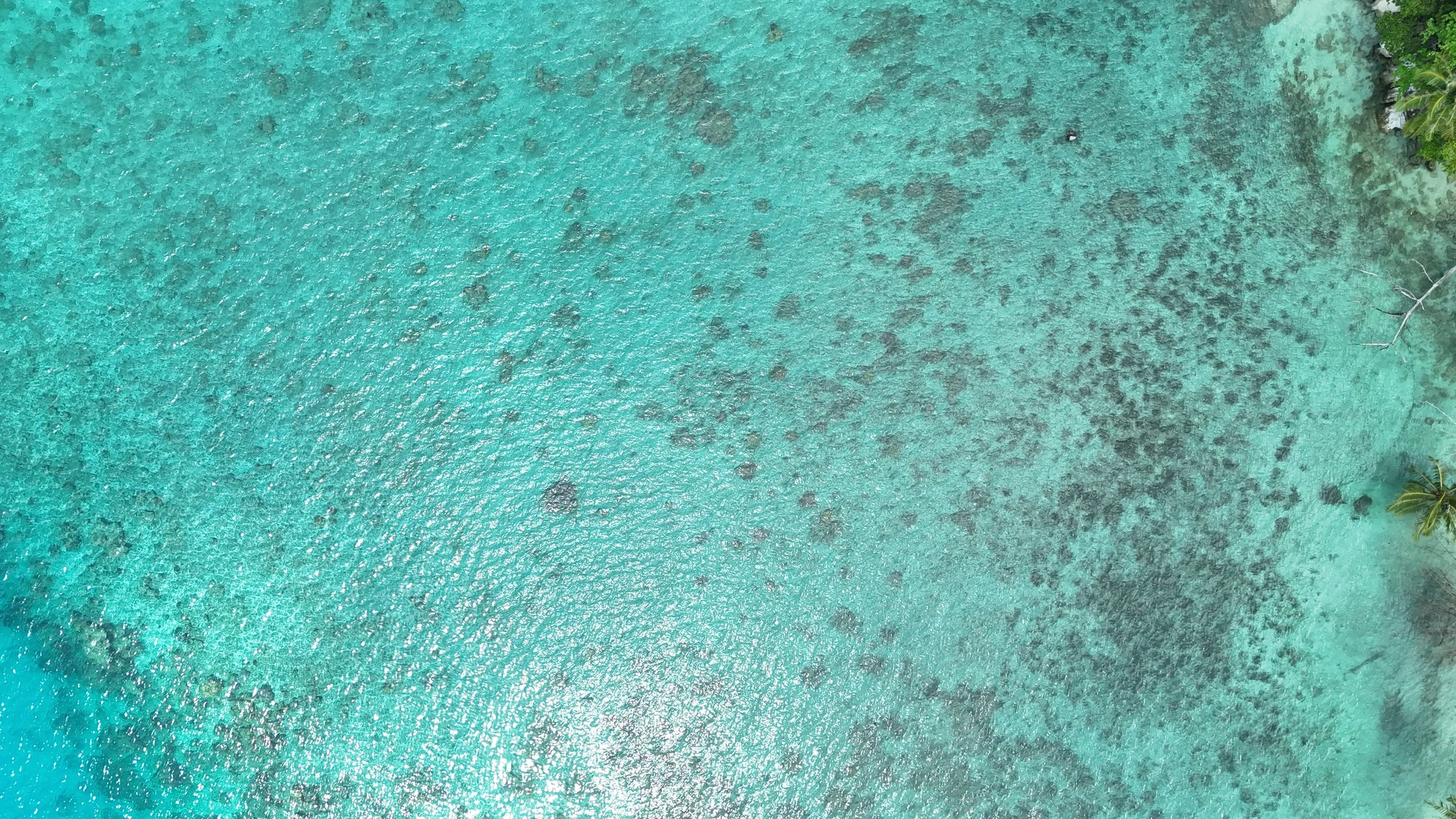
Scattered throughout the sandy lagoon are rocky and coralline pinnacles, they provide shelter and gathering points throughout the seagrass.
These pinnacles encourage smaller fish to gather and breed, a home for larger crustaceans such as lobsters and an attachment point for water cleaning mussels and oysters.
As the seagrass recovers, we expect these ecosystems to flourish and become even more important.
Deepwater drop-offs
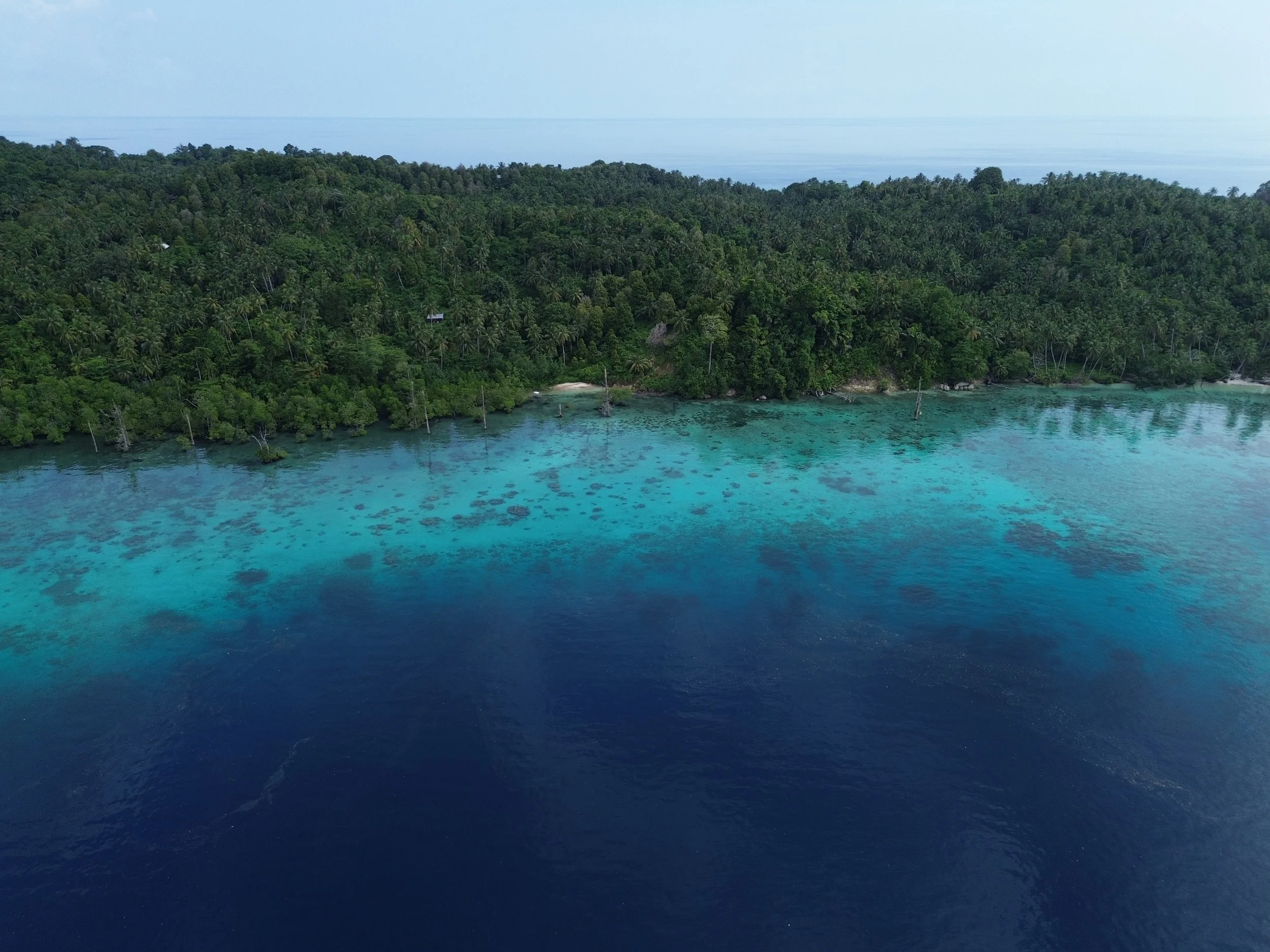
Behind the sandy lagoons and the coral reefs, the ocean floor drops away steeply to an unknown depth, this is the drop-off.
Not only providing a varied habitat for corals and fish species, drop-offs attract larger, ocean-going fauna. Their presence is vital for a balanced ecosystem to thrive.
Through the protection and growth of the coral reefs and the deterrence of destructive fishing practices, we expect the diversity and number of larger fish species visiting the site to increase.